
Prevent Root Damage Before Turf Thins Out
Grub Control in El Reno and surrounding areas for lawns showing brown patches or soft spots during late summer
Omega Lawn & Pest Company offers grub control in El Reno, Oklahoma City, Mustang and surrounding areas for homeowners dealing with turf damage caused by beetle larvae feeding beneath the surface. Grubs are the immature stage of Japanese beetles, June bugs, and other scarab species that lay eggs in grass during early summer. You may notice irregular brown patches that peel back like carpet, spongy areas where roots have been severed, or increased activity from birds and skunks digging for larvae in the soil.
This service involves applying targeted insecticides to the root zone when grubs are actively feeding, typically from mid-summer through early fall. Oklahoma's warm growing season allows beetle populations to establish quickly, and by the time damage becomes visible, hundreds of grubs may already be present under a small section of turf. Preventative treatments are applied earlier in the season to stop larvae before they hatch, while curative treatments are used once damage has appeared. Both methods require proper watering to move the active ingredient into the soil profile where grubs are feeding.
Contact Omega Lawn & Pest Company in El Reno to schedule a lawn inspection if you suspect grub activity or want to prevent damage during the next growing season.
How Grub Control Restores Root Systems
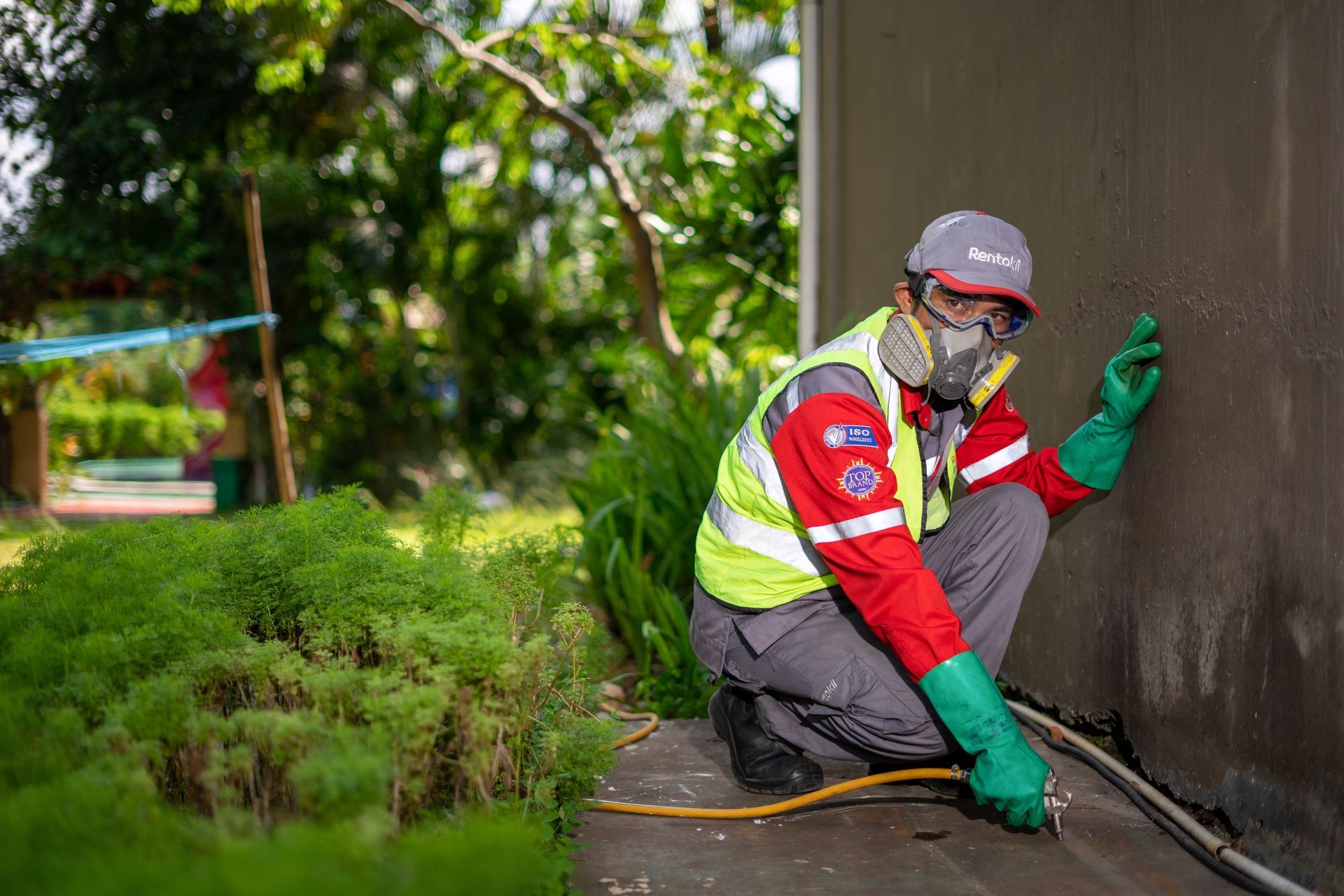
Your lawn is assessed for signs of grub feeding, including loose turf, dead patches, and visible larvae when soil is lifted. Technicians determine the stage of infestation and apply a granular or liquid insecticide calibrated to the size of the treatment area. Irrigation is required immediately after application to activate the product and carry it into the top few inches of soil where grubs are located.
After treatment, you will notice that brown patches stop expanding, turf begins to re-root in affected areas, and no new soft spots appear when you walk across the lawn. Omega Lawn & Pest Company may recommend overseeding or light topdressing in areas where root loss was severe, but healthy grass typically recovers once grubs are eliminated and moisture levels are maintained. Recovery time depends on how much of the root system remains intact at the time of treatment.
Grub control products are selected based on whether the goal is prevention or elimination, with preventative treatments applied in late spring and curative treatments applied from July through September. Timing is critical because grubs are most vulnerable when they are small and feeding near the surface. Once larvae mature and move deeper into the soil to overwinter, they become harder to reach and less susceptible to insecticides. This service does not address other causes of turf decline such as disease, drought stress, or soil compaction, all of which require separate interventions.
What Homeowners Ask About Grub Control
Homeowners in El Reno and neighboring communities often want to know when grub damage is likely, how treatments are applied, and whether lawns can recover after root systems have been compromised.
What do grubs look like in the soil?
Grubs are white or cream-colored larvae with brown heads and a curved, C-shaped body that ranges from a quarter inch to over an inch long depending on maturity and species.
How soon after treatment will the lawn recover?
You should see new root growth within two to three weeks if the turf was treated before severe root loss occurred, but heavily damaged areas may take a full growing season to fill in completely.
Why do some lawns in El Reno have more grub problems than others?
Properties with irrigated turf, sandy loam soils, and low-mowed grass tend to attract more egg-laying beetles because the soil stays moist and accessible during the summer months when adults are active.
When is the best time to apply grub control?
Preventative treatments work best in late May or early June before eggs hatch, while curative treatments should be applied in late summer when grubs are small and actively feeding near the root zone.
What happens if grubs are not treated?
The larvae will continue feeding until they mature, causing widespread root damage that leads to dead turf, soil erosion, and costly reseeding or sodding in spring.
Omega Lawn & Pest Company can evaluate your lawn and recommend a treatment schedule based on current grub populations and seasonal risk. Call to arrange an inspection if you notice any of the symptoms described or want to protect your turf before damage occurs.